
Understanding debit cards
Debit or credit—do you know the difference? Understand transaction limits, fees, and the smart way to use debit cards for everyday spending in Singapore.
Last updated on 28 September 2026
Key takeaways
You can use a debit card to withdraw money from an ATM
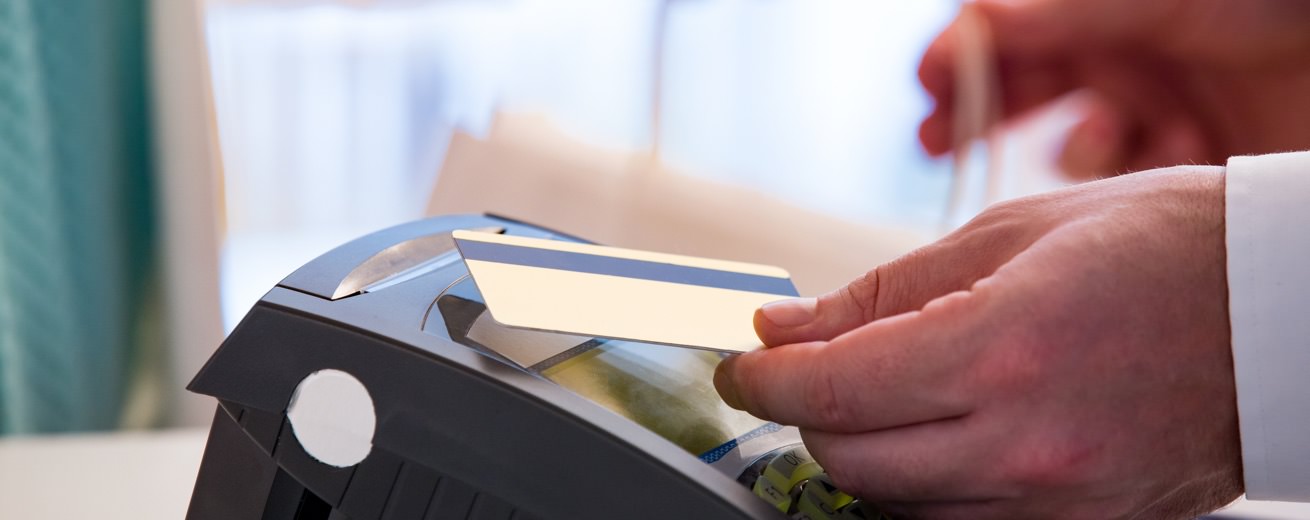
You can also use it like a credit card for Point-of-Sale (POS) transactions
Unlike credit cards, the amount is immediately deducted from your bank account, so you cannot spend more than what you have in your account
How debit cards work
Debit cards are like ATM cards. You can use it to buy goods and services. You can also use your debit card with your Personal Identification Number (PIN) to withdraw cash from your bank account at your bank’s ATMs.
When you shop with your debit card or ATM card, the transaction amount is immediately deducted from your bank account. You cannot spend more than what's in your account.
Unlike ATM cards, debit cards have a VISA or MasterCard branding. More often, you may not need to sign the receipt for purchases below a certain amount at some merchants.
While this may seem similar to credit cards, do note that when you use credit cards, you are paying on credit. When you use a debit card, the purchase amount is drawn from your own bank account.
Fees may be charged for debit cards. There may be an annual fee, a replacement fee for lost cards and a fee for withdrawals made abroad.
See also: Understanding credit cards
Risks and safeguards
Although banks in Singapore have replaced magnetic stripe-only debit cards with chip cards, magnetic stripes are still used overseas.
Here are a few ways to protect yourself:
Activate transaction alerts
Chip technology can reduce the risks of cloning but the magnetic stripe part on your debit card can still be cloned or skimmed. Make sure you have activated transaction alerts.
Check if the correct amount is debited
Some small-value purchases do not need a signature. Ask for a receipt to check if the correct amount is deducted. If the amount is wrong, alert the merchant immediately to ask for a refund. If you are not at POS, contact your bank quickly to see if it can help to reverse the transaction.
Be careful when transacting online
Your debit card details may be captured by intercepting your online transactions. Criminals will then use the details to perform card-not-present transactions such as online or mail-order/ telephone-order transactions.
Shop on 3D Secure websites
A One-Time Password (OTP) is needed before completing the purchase. This step ensures that the person making the purchase is the rightful owner of the debit card used. Notify your bank immediately if you received an OTP but did not make the transaction.
Lost or stolen cards
If you lose your debit card, let the card issuer know immediately. If it is stolen, make a police report and inform the card issuer. The maximum liability for unauthorised charges before reporting the loss to the card issuer will be capped at $100.
This cap applies provided you have not acted fraudulently, or you were not grossly negligent or did not fail to inform the card issuer as soon as you became aware that the card was lost or stolen.
Do check with your bank on its policy for lost or stolen debit cards.
Debit cards versus other cards
Comparison between debit cards, ATM cards and credit cards
ATM Card | Debit Card | Credit Card | |
|---|---|---|---|
Purchase/ Withdrawal | Immediately debited from your bank account. | Immediately debited from your bank account. | All transactions are made on borrowed money that must be repaid to the bank. |
Payment Mode | You need to:
| You need to:
You may not need to sign the receipt for purchases below a certain level at some merchants. | |
Main Risks | Risk of cloning/ card skimming arising from the use of magnetic stripe technology. The banking industry has taken active steps to address this risk like:
| Risks arising from the payment convenience of the card over POS terminals, e.g. wrong amount debited for smaller value purchases that do not need signature. Risk of cloning/ card skimming arising from the use of magnetic stripe technology.
Risk of card details compromise through intercepted card-not-present transactions, like online or mail-order/ telephone-order transactions. | |
Fees | There may be a fee for replacement card. There may also be fees for making withdrawals at overseas ATMs. | Fees include:
| Fees include:
Note: Cash advance is a form of borrowing that you must repay the bank. Interest and late payment charges will apply. |
Things to watch out for
You should:
Never leave your debit card or documents containing its details lying around
Sign the back of your debit card with permanent ink as soon as you receive it
Keep a record of your card numbers, expiration dates and the phone number and address of the bank in a secure place
Keep all card-related information such as your PIN, separate from your card
Safeguard your card details. Do not disclose your PIN for cash withdrawals to anyone. Memorise your PIN
Only shop at reputable and legitimate merchants (including online stores). Do not shop online using shared devices such as computers in cybercafes
Ask the merchant for a receipt when you make small value purchases. This is to ensure the correct amount is deducted
Check regularly that your cards are with you
Call the bank immediately if your card or card information is lost or stolen. Note the time and date when you do so
Related articles
Understanding Credit Cards
Credit cards charge up to 29% interest p.a.—do you know exactly how yours works? Master credit limits, minimum payments, and statements before debt catches up.
Managing Your Money
Still living pay cheque to pay cheque? Learn the budgeting basics that help everyday Singaporeans take control, cut unnecessary spending, and build lasting financial habits.
Money Lock feature: Keeping your money out of scammers’ reach
What if scammers couldn't touch your savings even with your login details? Money Lock lets you ring-fence funds from unauthorised transfers—here's how to activate it